
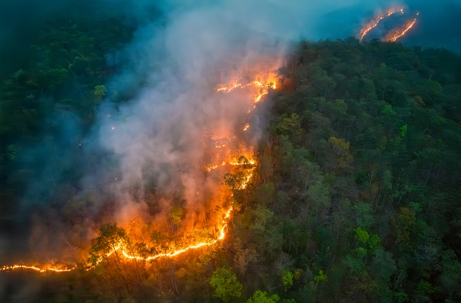
Wildfires are more than natural disasters; they’re life-altering events that leave emotional, financial, and physical scars. Wildfire seasons have become a recurring nightmare for residents in Houston, TX, and Santa Monica, CA. Rebuilding after such devastation is no small feat. Victims face countless challenges, from healing emotional wounds to patching up physical property damage. But one glimmer of hope comes in the form of financial compensation.
Understanding what wildfire compensation covers—and what it doesn’t—is key to reclaiming control over your life after a tragedy. Knowing your rights is the first step toward recovery if a wildfire has impacted you.
What Does Wildfire Compensation Typically Cover?
Compensation following a wildfire can stem from insurance claims, lawsuits against negligent utility companies, or governmental relief programs. Each source serves a distinct purpose, but together, they aim to ease the financial burden of recovery. Below, we break down the main categories that compensation typically addresses.
1. Property Damage
Your home isn’t just your shelter; it’s where memories are made. After a wildfire, the damage sustained can feel overwhelming. Compensation can help with:
- Structural Repairs: Funds to repair or rebuild your home, including roofing, walls, and foundational work.
- Personal Possessions: Furniture, electronics, appliances, and other items that were damaged or destroyed by the fire.
- Landscaping: Coverage for damaged trees, shrubs, fences, and other landscaping features.
Keep in mind that insurance compensation for personal possessions often comes with limits. You may need separate riders to recover their full worth for items like high-value jewelry, antiques, or art.
2. Temporary Living Expenses
Wildfires often force families out of their homes, sometimes for weeks or months. Compensation for additional living expenses (ALE) can help cover:
- Hotel or motel stays
- Extended rental of temporary housing
- Meals, transportation, and other relocation costs while you’re displaced
This category can provide immense relief during stressful times, but be aware that there are limits. Hotels might be covered; extravagant resorts are not.
3. Medical Bills and Health Costs
Wildfires don’t just harm property; they can harm people, too. Exposure to smoke, debris, or burns could result in medical complications. Compensation may cover:
- Hospital and doctor visits
- Respiratory treatments
- Therapy and psychological counseling for trauma
- Long-term rehabilitation for more severe injuries
Keep a thorough record of medical treatments to ensure these costs are included in your claim.
4. Lost Income
A wildfire can disrupt your ability to work, either temporarily or permanently. If your business closes due to fire damage or you’re unable to perform your job due to injuries, compensation for lost income may be available. This could include:
- Missed wages during recovery
- Loss of future earnings if you are permanently unable to return to work
- Business income interruption for entrepreneurs impacted by the fire
Documenting your employment income loss will play a significant role in determining payouts.
5. Mental and Emotional Distress
The trauma of surviving a wildfire isn’t always visible. Compensation often accounts for non-economic damages like emotional pain, stress, insomnia, or PTSD caused by the tragedy. While harder to quantify, the law recognizes the importance of emotional well-being.
6. Legal Fees (in Cases of Utility Company Lawsuits)
If a wildfire was sparked by utility companies failing to maintain their equipment, you might be entitled to legal compensation from the responsible party. Settlement awards often factor in attorney fees, meaning legal representation doesn’t need to be another financial hurdle.
What Isn’t Covered?
Unfortunately, not all losses can be addressed through compensation. Understanding the exclusions will help set expectations as you move forward.
1. Luxury Items Without Specific Coverage
Standard insurance policies often exclude high-value items like collectibles or rare artwork unless you’ve purchased additional riders. Without proper documentation, you may not recover the full cost of these items.
2. Land Value Loss
While you can claim compensation for the structures and landscaping on your property, the actual land’s market value often isn’t considered. For example, charred soil or erosion isn’t usually covered, even if it impacts usability.
3. Undocumented Losses
Claims must be substantiated with documentation, like receipts, photographs, or appraisals. If you can’t provide proof for destroyed items or expenses, they might not be covered by insurance or litigation settlements.
4. Future Risks
Compensation won’t cover risks to your property moving forward. For instance, after receiving payouts, you may need to invest in fireproofing materials, safety systems, or extensive clearing of dry vegetation at your own expense.
5. Certain Types of Emotional Damages
While emotional distress is usually included in legal settlements, others, such as general dissatisfaction with the claims process or survivor’s guilt, may not receive compensation.
Practical Tips for Navigating the Claims Process
The process can be daunting, whether you’re filing an insurance claim or pursuing legal action against a utility company. Here are practical steps to make it smoother:
1. Document Everything
After a wildfire, take photographs of damaged areas and possessions, and collect receipts for cleanup efforts, repairs, or emergency purchases. The more evidence you have, the stronger your claim.
2. Understand Your Policy Limits
If filing through insurance, read the fine print of your homeowners’ policy to ensure you understand what’s included and excluded.
3. File Promptly
Waiting too long can hurt your claim. Whether you’re dealing with insurance or legal actions, it pays to act quickly.
4. Hire an Experienced Attorney
Wildfire litigation, especially cases involving large utility companies, can be incredibly complex. Hiring a personal injury lawyer ensures you have an advocate familiar with the nuances of wildfire claims. They’ll help you maximize compensation and avoid pitfalls.
5. Join a Class Action Suit (if Applicable)
A class action lawsuit may already exist if the wildfire impacted hundreds or thousands of people. Joining forces with others simplifies the legal process and increases your chances of a successful outcome.
California Wildfire Lawyers
As you navigate the complexities of insurance and compensation related to wildfires, Robins Cloud LLP stands ready to provide the expert legal assistance you may need. With a deep understanding of the challenges and intricacies involved in personal injury claims and insurance disputes, we can offer personalized support and guidance. For those located in Santa Monica, CA, our team is committed to advocating for your rights and helping you rebuild your future confidently. Contact us today at (800) 691-2363 to learn more about how we can assist you in your journey toward recovery and resilience.