
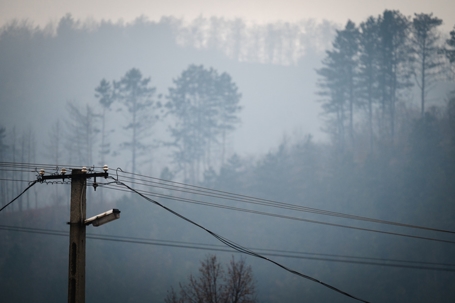
When you think of wildfires, summer might be the first season that comes to mind. After all, with the relentless sun and rising temperatures, it seems like the time of year most susceptible to these devastating events. But here's the surprising truth: fall and winter can be just as dangerous. With dried leaves, gusty winds, and neglected safety precautions from utility companies, the risk of wildfires remains alarmingly high.
For residents in areas like Houston, TX, and Santa Monica, CA, where wildfire season can linger well into the cooler months, this isn’t just an environmental issue; it’s personal. Wildfires don’t just destroy landscapes; they disrupt lives, families, and businesses. Understanding how untrimmed trees and aging power lines contribute to this risk could be the first step in protecting your home, your family, and your legal rights.
Why Fall and Winter Increase Fire Risks
The fall and winter months bring seasonal changes that can create a perfect storm for wildfires:
1. Dryer Vegetation
After a long summer, vegetation like grass, shrubs, and trees often becomes extremely dry. By the time fall and winter roll around, these brittle plants turn into kindling that ignites easily. Think about the dried leaves lining the streets each fall. They look harmless, but one spark can set the whole area ablaze.
2. Gusty Seasonal Winds
Both Texas and California are notorious for strong seasonal winds. Whether it’s Santa Ana winds sweeping through Southern California or the unpredictable cold fronts in Texas, these gusts turn even a small spark into an uncontrollable wildfire by carrying flames faster and wider.
3. Untrimmed Trees and Utility Poles
Utility companies are required to maintain their power lines and ensure that the surrounding trees are trimmed regularly. Yet, failures in oversight can lead to disaster. When winds knock over an untrimmed tree and it hits a power line, the sparks can ignite dry grass below, starting a chain reaction that spreads dangerously fast.
4. Outdoor Activities and Decor
During fall and winter, outdoor activities, holiday lighting, and even bonfires are more common. These activities increase the likelihood of accidents while also heightening potential fire risks.
The Role of Utility Companies in Fire Prevention
Utility companies have a significant role to play in wildfire prevention. Power lines, transformers, and associated equipment are all potential ignition points if they’re not properly maintained. Here’s how negligence on their part can lead to disaster:
Untrimmed Trees Near Power Lines
Utility companies are responsible for trimming trees within a certain distance of their power lines. A single untrimmed branch swaying in the wind has the potential to disrupt a live wire, causing sparks or even full-blown electrical fires.
Old or Faulty Equipment
Outdated electrical systems are another major concern. A failure to replace or repair aging infrastructure can result in equipment overheating, exploding, or malfunctioning, creating an ignition source in areas surrounded by dry vegetation.
Delayed Action or Insufficient Fireproofing
Some utility systems are not designed to shut off automatically when a risk is detected. Delayed response times or inadequate preparedness makes it easier for fires to spread before interventions occur.
How Legal Action Can Hold Utilities Accountable
If a wildfire caused by untrimmed trees and power line failures has affected you, it’s crucial to know your legal options. Holding utility companies accountable isn’t just about compensation (although that's important)—it’s also about pushing for better safety measures to prevent future tragedies. Here's what you need to know:
1. Understanding Negligence
Utility companies owe a duty of care to maintain their infrastructure and minimize risks to communities. When they fail to meet this standard, such as neglecting tree trimming or using faulty wiring systems, they can be held liable for the damage caused.
2. Inverse Condemnation in California
California has specific laws, like inverse condemnation, that allow wildfire victims to sue utility companies even if the company was not explicitly negligent but its equipment was the source of ignition. Santa Monica residents, for instance, may rely on this legal framework to recover damages.
3. Compensation for Losses
Through legal action, victims of wildfires can pursue compensation for:
- Property damage (homes, cars, personal belongings)
- Medical bills and treatment expenses
- Temporary housing and relocation costs
- Emotional distress and trauma
- Lost income if employment is impacted
4. Will This Apply in Texas?
Texas laws around utility negligence and wildfire compensation differ from California's but are still strong. Houston-area residents may be able to sue for damages if it’s proven that negligence, such as failure to clear vegetation around power lines, contributed to the fire.
Practical Steps to Protect Yourself
While legal action is an option for victims, prevention is always better than a cure. Here are a few proactive steps you can take:
Inspect Your Property
Remove dried leaves and dead plants from your property. Ensure that trees near your home are trimmed and maintained, especially if they are close to power lines.
Be Aware of Utility Company Notices
Stay informed of maintenance schedules by your local officials or utility providers. If you notice negligence, report it immediately to the appropriate authority.
Create a Fire-Safe Zone
Clear any flammable materials (like wood piles or propane tanks) from the perimeter of your home. Building a fire-safe zone can prevent your property from becoming a wildfire casualty.
Track Local Laws
Familiarize yourself with the legal process for filing claims in Texas and California. Know who to contact and what evidence (like photos, videos, or receipts) can back up your potential claim.
California Wildfire Lawyers
In conclusion, with wildfire threats looming, particularly during fall and winter, it is crucial for residents and businesses in Santa Monica, CA to proactivity engage in risk reduction strategies. Robins Cloud LLP is here to assist in navigating the complex legal landscapes surrounding personal injury and property damages related to wildfires. Contact us today at (800) 691-2363 to learn how our experienced attorneys can provide you with expert guidance and support tailored to your needs. The safety and wellbeing of our community is our top priority.